
Press Release by Metropolitan Community College
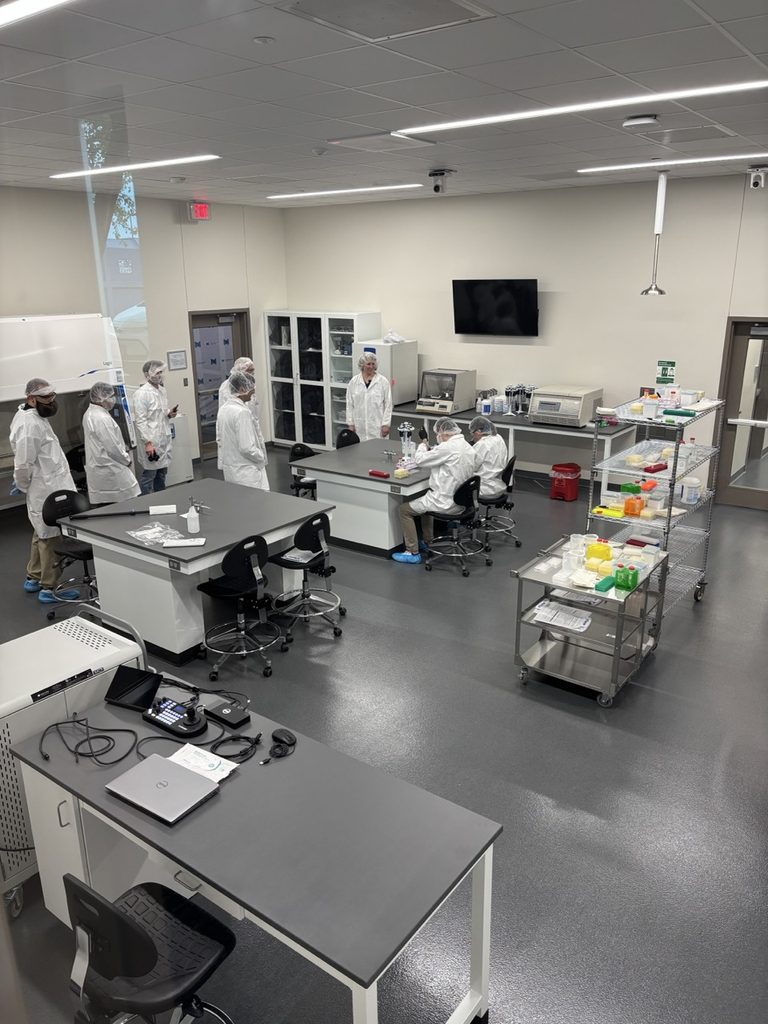
OMAHA (Oct. 1, 2026) — Metropolitan Community College celebrated the completion of its $3.1 million biotechnology training lab at its Elkhorn Valley Campus on Thursday, Oct. 1. The industry-informed facility supports hands-on training for the recently launched MCC Biotechnology program, which welcomed its first cohort of students in September. The program is designed to train students for entry-level technician careers in Nebraska’s growing biotechnology sector.
The project began in 2023, when MCC began working with more than a dozen biotechnology employers to develop an industry-relevant program and training environment for entry-level technicians. The lab is funded through local foundations, grants and MCC investment and supported by equipment and supplies donated by industry partners.
A Business Industry Leadership Team (BILT) includes representatives from ADS Biotec, Cargill, Evonik, LALA, Merck, Novonesis, Phibro, Streck and Syngenta that partnered with MCC to design the program and lab. The companies represent the breadth Nebraska’s biotechnology industry, including animal health, human health, agricultural biotechnology, biomanufacturing, dairy products and seed.
“The program teaches fundamentals across the industry and provides the training in a setting that reflects what students will see when they enter the workforce,” said Jim Walla, process development engineer at Evonik and chair of the BILT team.
More than 25 biotechnology companies are based in the Omaha and Lincoln metropolitan areas.
Rob Owen, executive director of Bio Nebraska, a nonprofit trade association supporting Nebraska’s bioscience sector, said workforce development is one of the industry’s highest priorities and the MCC program plays an important role in building a pool of talent to support the rapidly advancing field. Owen said biotechnology provides good opportunities for economic development for the future of Nebraska, while providing students pathways to great careers.
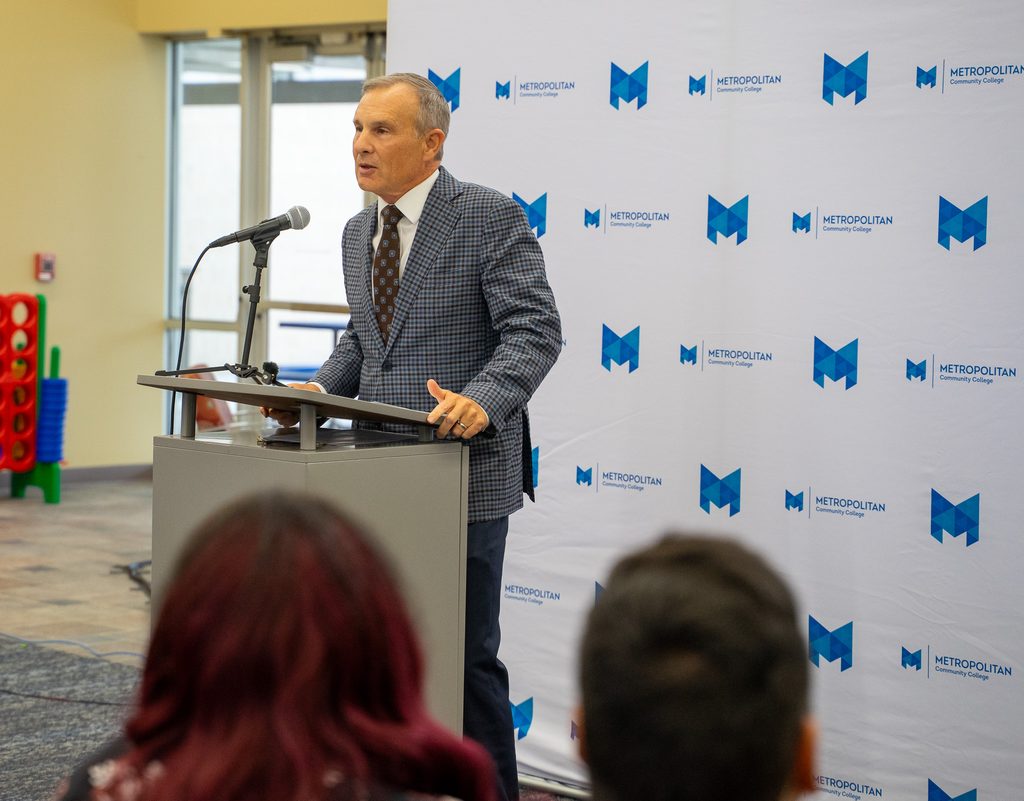
According to the U.S. Bureau of Labor Statistics, the median annual wage for biological technicians is $57,510.
“Nebraska already has strength in its industrial biomanufacturing, human health, animal health and agtech companies, but the No. 1 issue these organizations face is access to a skilled workforce, starting at the entry level,” Owen said. “Community colleges are important players in addressing this challenge, and MCC’s new biotechnology program and training lab are exciting investments.”
Jackie Clifford, MCC biotechnology program director, said designing the lab alongside industry partners was critical to the success of the program and the hands-on training provided in the sterile lab facility — aseptic technique, documentation, cell culturing, fermentation processes and more.

Coursework begins with three core biotechnology courses: fundamentals, introduction to biomanufacturing and quality assurance. Students can earn a career certificate within one year with the option to continue on for a second year to earn a transferable associate degree. MCC also offers a competency-based Biotechnology Fundamentals noncredit training program, leading to a microcredential in 15 weeks.
“The goal was to give our students multiple options to enter the workforce and come back for additional training that can lead to opportunities for advancement,” Clifford said. “It was also important to design a program that could take on a portion of the training at MCC so our industry partners can bring employees up to speed faster to advance the industry.”
Visit mccneb.edu/Biotech for more information about the program.
About Metropolitan Community College
Metropolitan Community College, accredited by the Higher Learning Commission, is a comprehensive, public community college that offers affordable, quality education to all residents of Dodge, Douglas, Sarpy and Washington counties. Founded in 1974, MCC has the largest enrollment out of six community colleges in Nebraska and is the second largest postsecondary institution in the state.