

Tell us about your company.
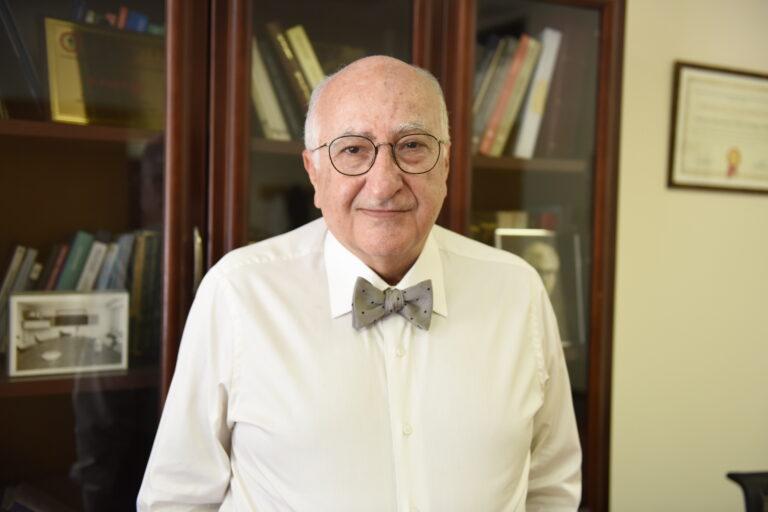
Teucer Diagnostics is an Omaha-based in vitro diagnostics company building a urine test that detects cardiovascular risk years before today’s standard tools. The science traces back to research by our co-founder and principal inventor, Dr. Kamal Badr, on podocytes, which are specialized kidney cells that are among the first to show injury when the body’s blood vessels are under stress. By measuring the genetic signal those cells shed into urine, we aim to flag patients on a path toward cardiovascular disease while there’s still a long runway to intervene. We’re an early-stage company, pre-revenue, and focused right now on the clinical and regulatory validation that turns a strong scientific idea into a test physicians can trust and act on.
Why is Nebraska an important location for your company?
Nebraska provides us with a serious academic medical center and a tight ecosystem for early-stage companies. We run our clinical and laboratory work in partnership with the University of Nebraska Medical Center (UNMC), which has been central to moving the assay from concept toward validation. Omaha also keeps us close to the people and resources we need without the cost of the coasts. For a company at our stage, that combination is a genuine advantage rather than a compromise.
What products/services do you offer?
Our product is a urine-based test that measures a podocyte injury signal to predict the risk of cardiovascular disease. It’s akin to a standard urine albumin test that clinicians already use, but catches vascular injury earlier. It uses the same specimen and the same clinical workflow physicians already know, which we think is essential to real-world adoption. The test is still in development and not yet available for clinical use.
Beyond Nebraska, how large is your company’s footprint?
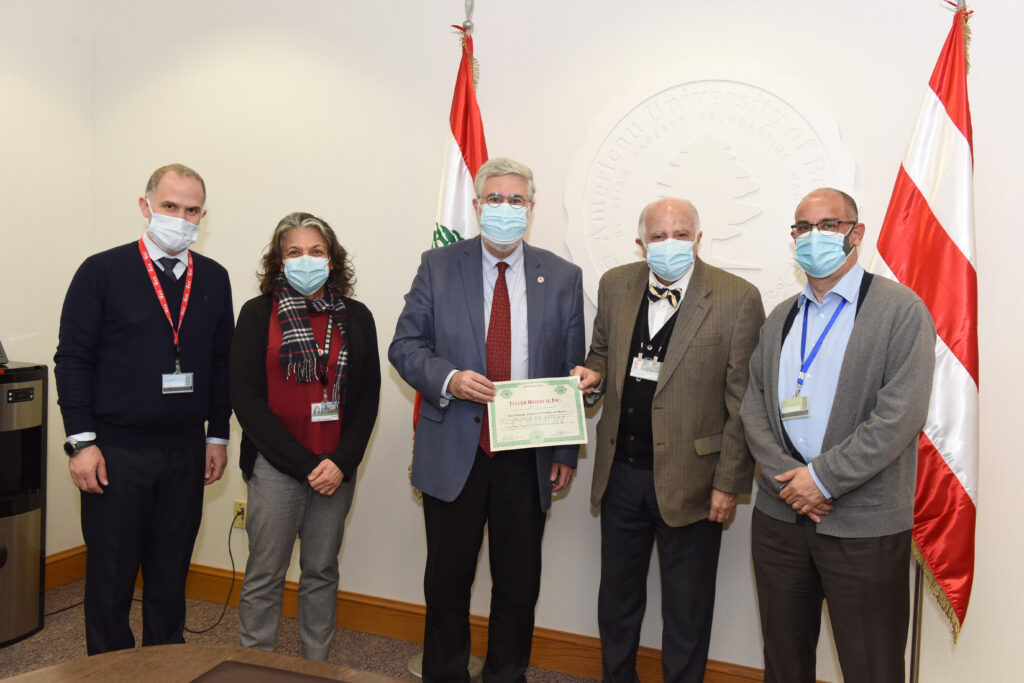
We’re an Omaha company at our core, with a network that extends beyond Nebraska through dozens of scientific and clinical collaborators. Our founding science draws on work at the American University of Beirut, our scientific advisors come from institutions including Vanderbilt and the University of Utah, and we work with regulatory and reimbursement partners across the country. So while our footprint is lean by headcount, our reach is national and international.
How many employees do you have in Nebraska? Company-wide?
We’re a true early-stage startup with just one full-time employee here in Omaha, supported by a founding team, a scientific advisory board, and a roster of contract and academic partners who do much of the hands-on clinical and laboratory work. Building out the team is part of our next phase as we continue to achieve our near-term clinical and regulatory milestones.
How does your company support the bioscience industry?
We try to contribute the way an early-stage company can – by doing rigorous science, partnering with local institutions like UNMC, and helping build the case that diagnostics companies can be founded and grown from Nebraska. We have also pulled federal research and private investment dollars into the state, and keeping the work here is part of how we add to the ecosystem as well.
What are some of the biggest challenges facing your industry today, and how does your company play a role in helping overcome those challenges?
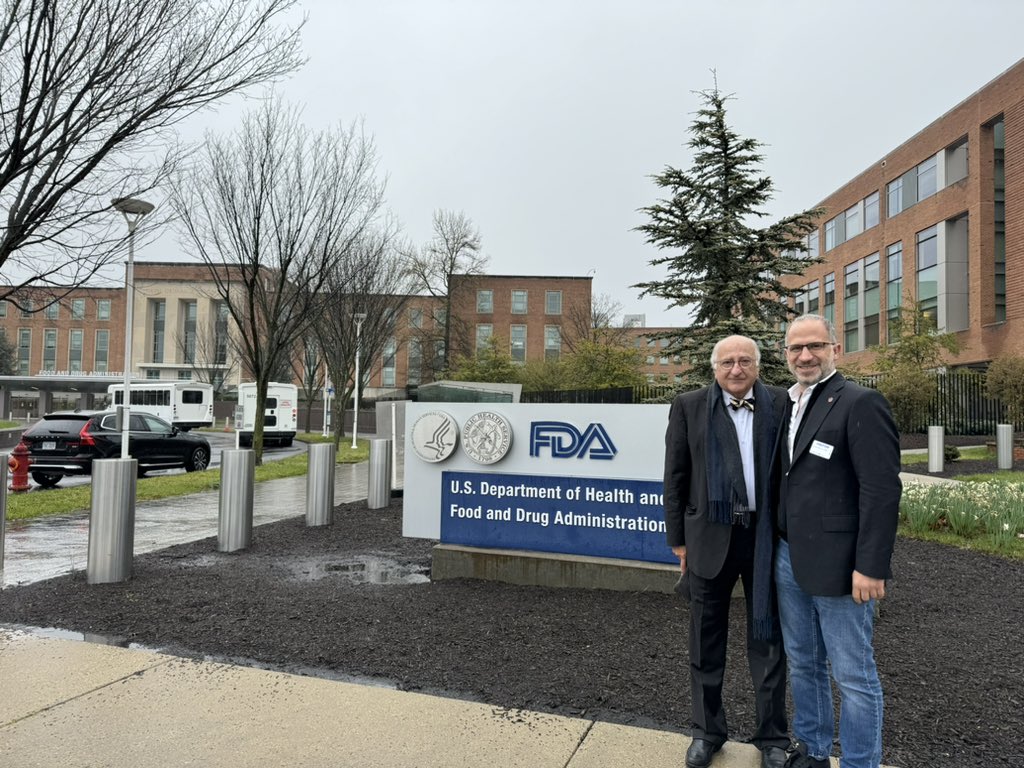
Cardiovascular disease is often caught too late, after damage has accumulated and treatment options have narrowed. The standard tools are a starting point, but they tend to turn positive once injury is already established. The harder challenge for a diagnostics company isn’t only the science – it’s the long road of clinical validation, regulatory review, and reimbursement that any genuinely new test has to travel before it reaches patients. We’re taking that road deliberately: engaging early with the FDA, designing the validation studies to meet a high evidentiary bar, and building the test to fit existing clinical workflows so that, as the evidence holds, adoption isn’t the bottleneck.
What’s on the horizon for the remainder of 2026?
It’s a pivotal stretch for us. We have our second FDA pre-submission meeting set for late August to align on our regulatory path, and we’re preparing a Phase II federal research grant application that would fund the next two years of clinical validation. Alongside that, we’re completing the analytical validation work that confirms the test performs reliably and reproducibly. The through-line for the rest of the year is turning promising early data into a rigorous evidence base for future commercialization.